

Biological & Complex Matrices
Matrices We Test
GreenWater Laboratories analyzes a wide range of sample types for harmful algal blooms (HABs), cyanobacteria, and related toxins using microscopy, ELISA, and LC-MS/MS. Each matrix has specific collection and handling needs to ensure defensible data.
Water

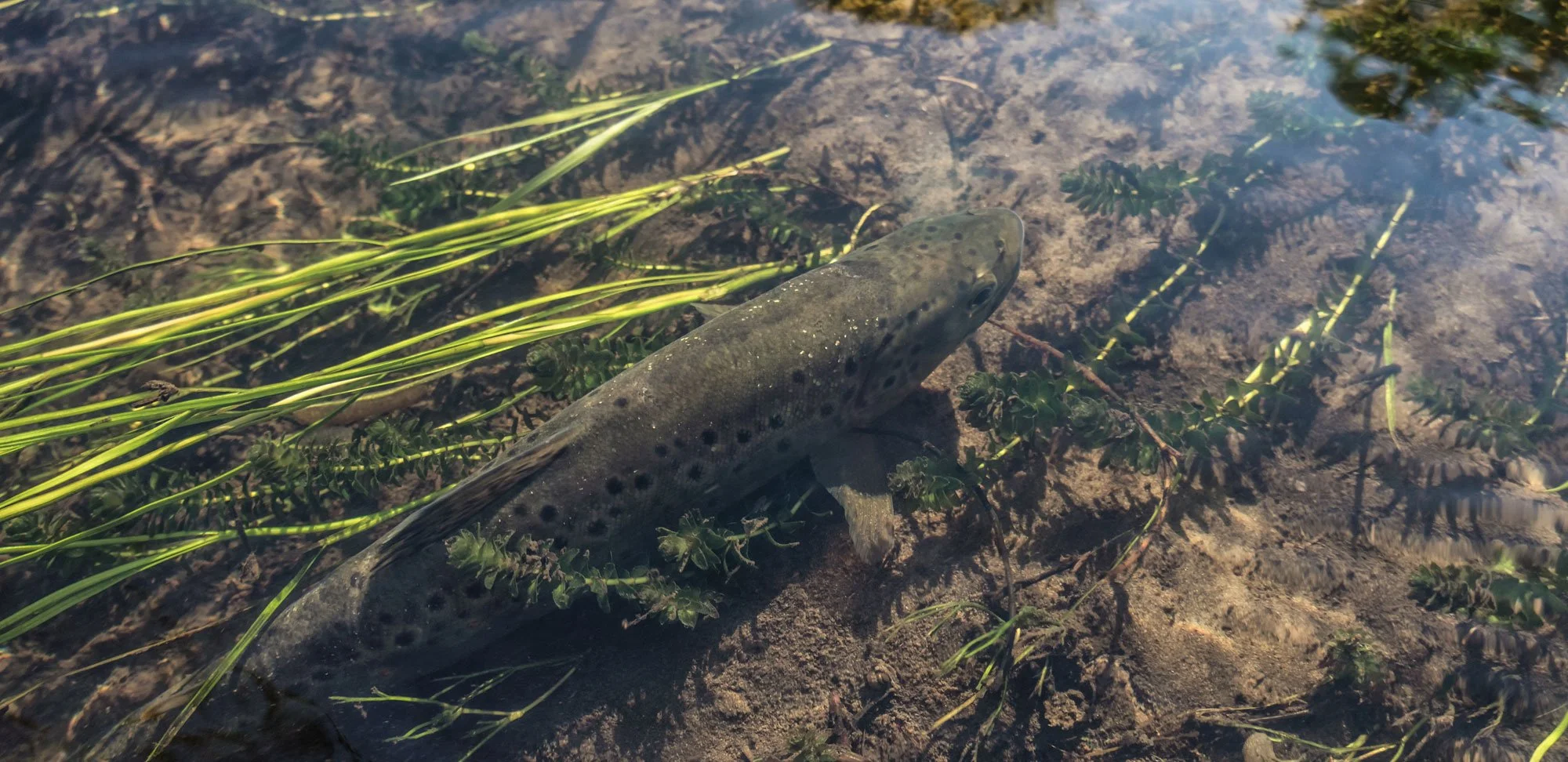
Environmental samples from lakes, rivers, ponds, reservoirs, and canals for HAB monitoring, incident response, and research.
Common analyses: microscopy, toxin analyses (microcystins/nodularins, cylindrospermopsin, anatoxin-a, saxitoxin), qPCR
Typical volume: 250 mL, plastic bottle, keep cold
Collection and Submission:
Freshwater (Ambient / Raw Water)
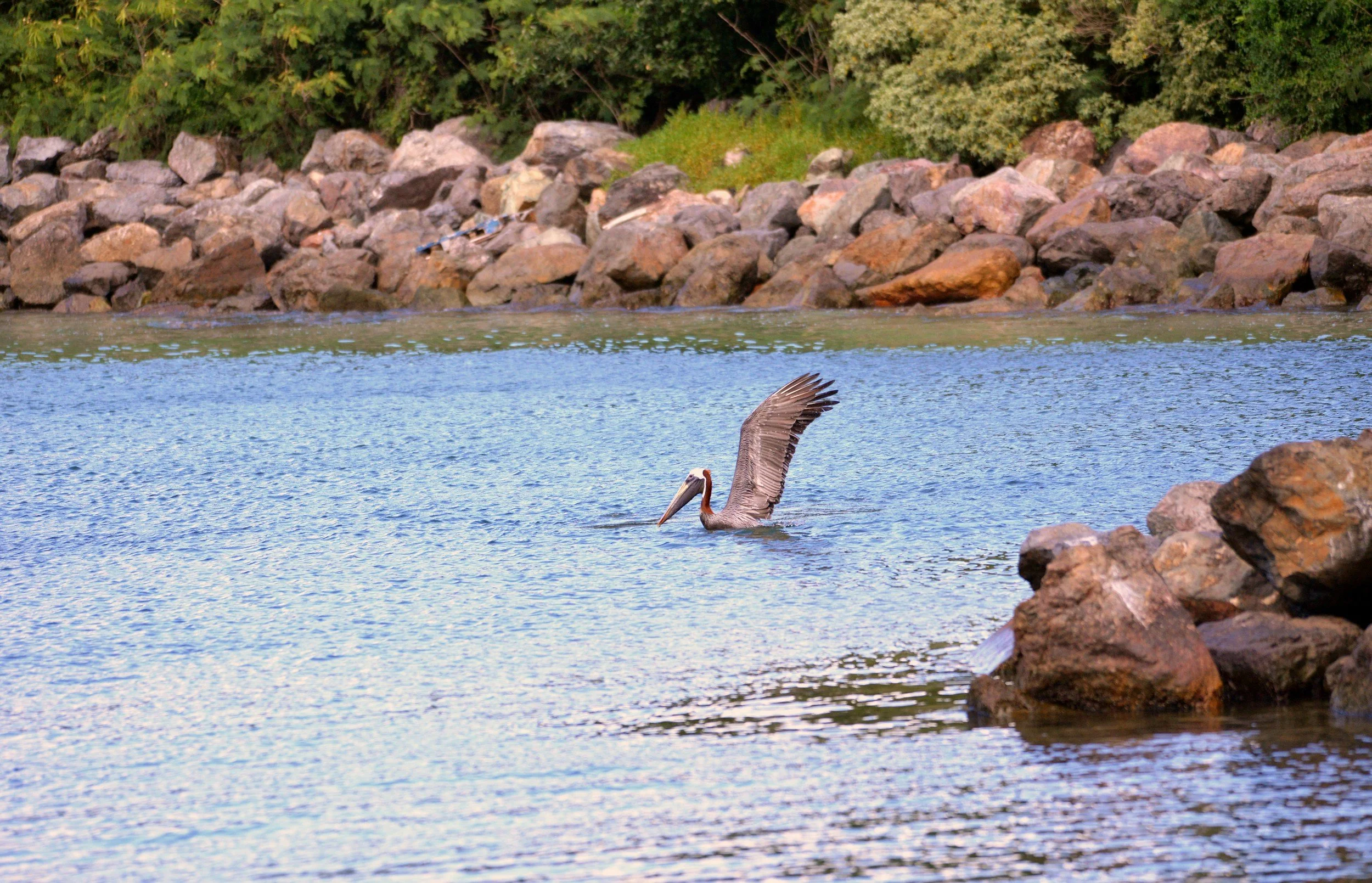
Coastal and estuarine systems (red tide and other marine HABs, land-to-sea interface).
Common analyses: brevetoxins, saxitoxins, microcystins, microscopy
Typical volume: 250 mL, plastic bottle, keep cold
Collection and Submission:
Marine / Brackish Water
Drinking Water (Finished / Distribution)
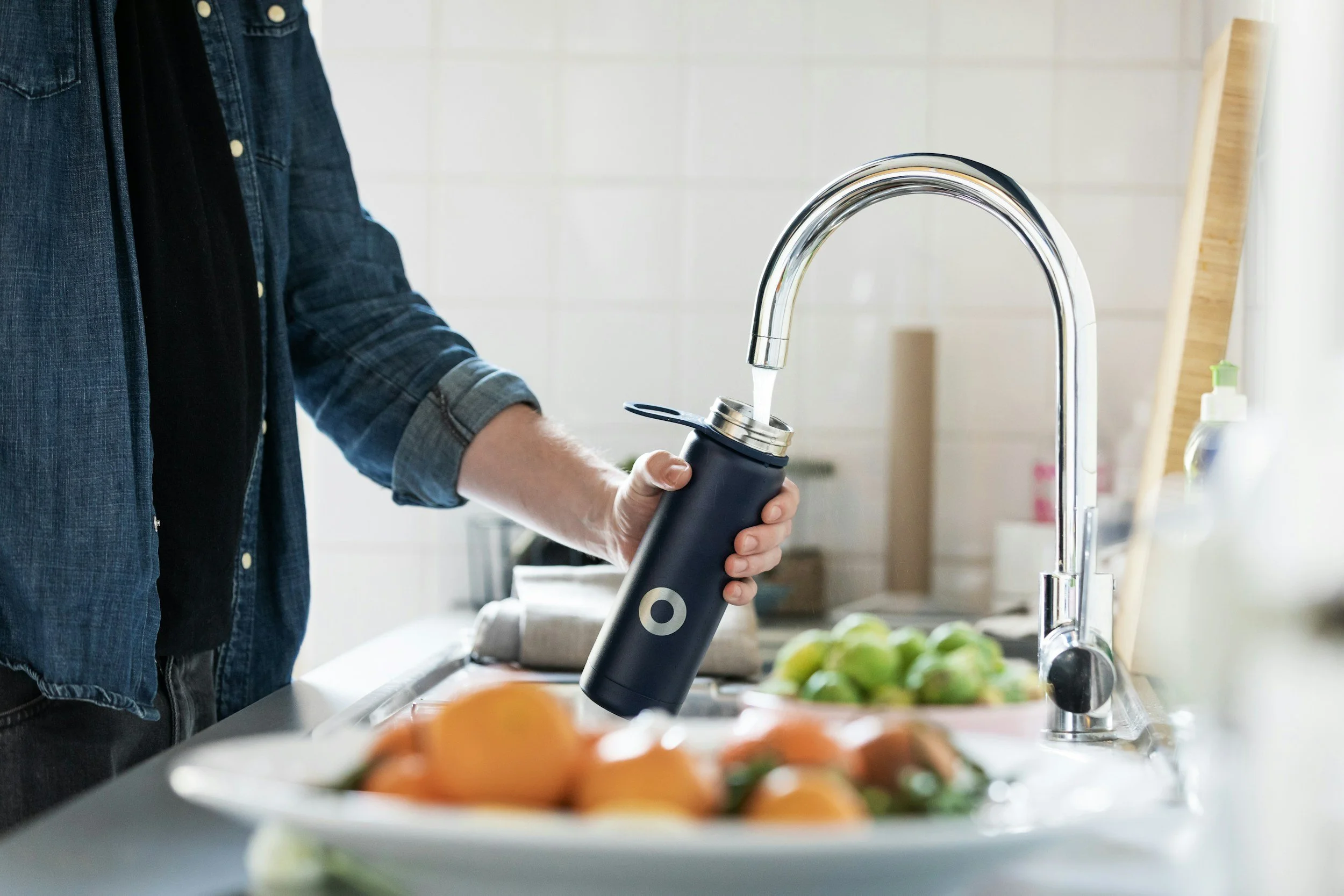
Treated water to confirm compliance and public health safety.
Common analyses: toxin analyses (microcystins/nodularins, cylindrospermopsin, anatoxin-a, saxitoxin), method selection aligned with state/EPA guidance.
Typical volume: 40–250 mL, amber glass with quenching agent, keep cold.
Collection and Submission:
Animals: Pets, Livestock & Wildlife
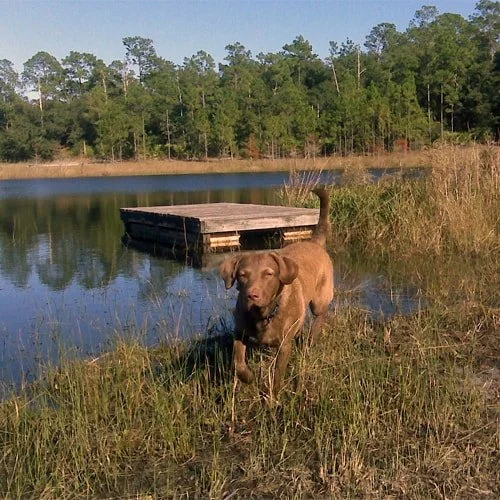
Dogs and livestock are among the most frequently affected by harmful algal blooms (HABs) because the animals drink or swim in toxin laden water along shorelines. HABs have also been linked to mass mortality events in fish, birds, and other wildlife.
If a HAB event is suspected, collect water or bloom material first to identify the algae present and confirm toxin levels. Because many incidents involve multiple toxins or environmental stressors, submitting both source material (water/scum) and clinical or necropsy specimens provides the most complete diagnostic picture. If HAB exposure is suspected in animals, submit both source material (water/scum) and clinical/necropsy specimens when possible.
Preferred specimens (as available):
Source: water or algal scum (100–250 mL, cold)
Clinical: vomitus/stomach contents; urine (≥1 mL); bile/blood; tissues (liver, kidney, brain) 1–10 g each, frozen
Common analyses: Microcystins/nodularins (MMPB), anatoxins, cylindrospermopsins, saxitoxins; guanitoxin, aetokthonotoxin, brevetoxins
Collection & Submission:
Sediment & Treatment Residuals

Evaluate legacy accumulation and treatment by-products.
Use cases: Bloom history, remediation tracking, WTP residual management.
Sample forms: Wet sediment (100–250 g) or dewatered residuals (~50 g), double-bagged, frozen for toxins.
Common analyses: Microcystins/nodularins (ELISA, LC-MS/MS)
Collection and Submission:
Foods & Supplements
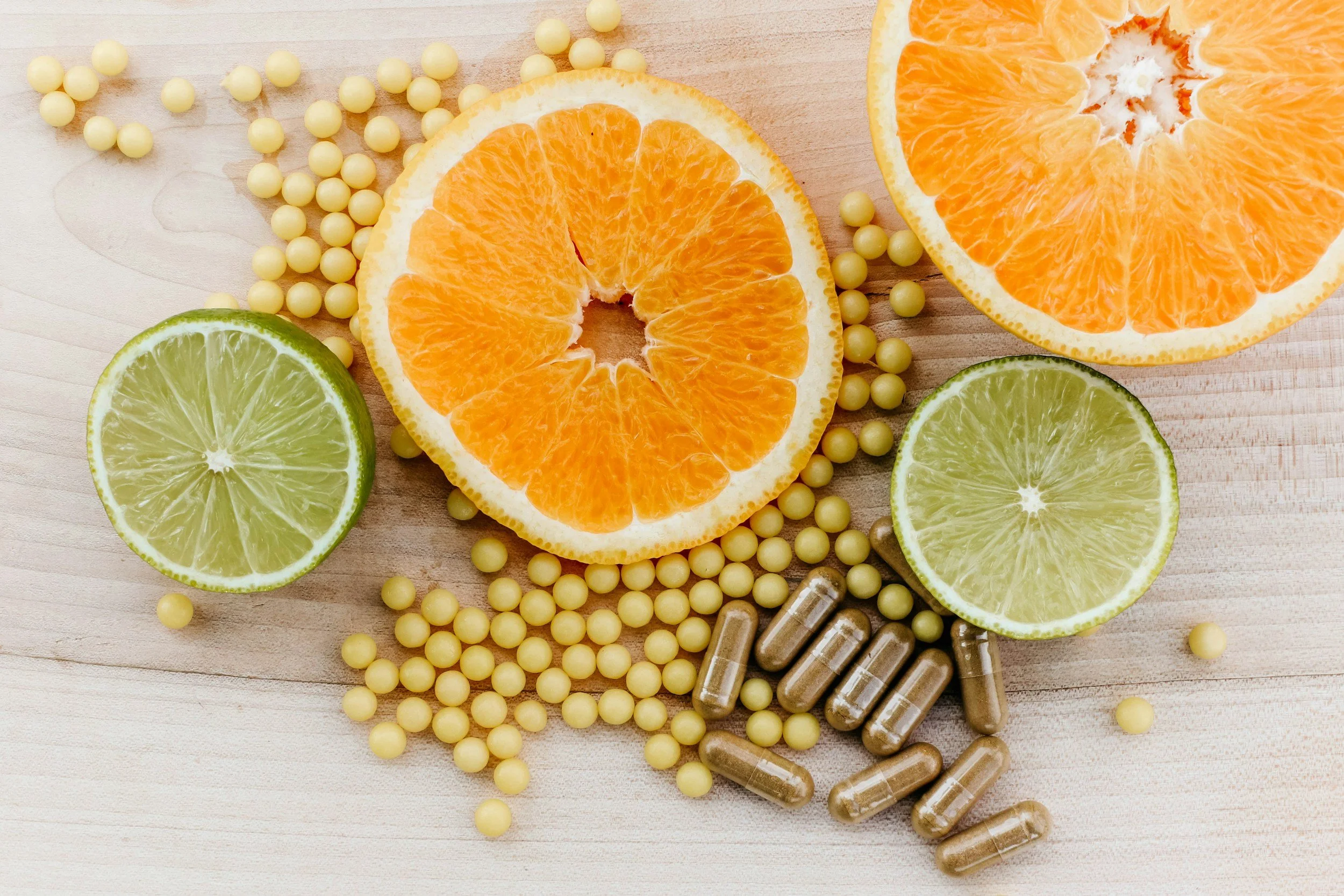
GreenWater Laboratories frequently tests food products for cyanotoxins, including shellfish, fish muscle, algal supplements, and crops that have been in contact with water with active algal blooms. Our scientists conduct testing for the same algal toxins present in drinking water.
Common analyses: Microcystins/nodularins, cylindrospermopsin, anatoxin-a, saxitoxin, BMAA
Collection and Submission:
Human Specimens
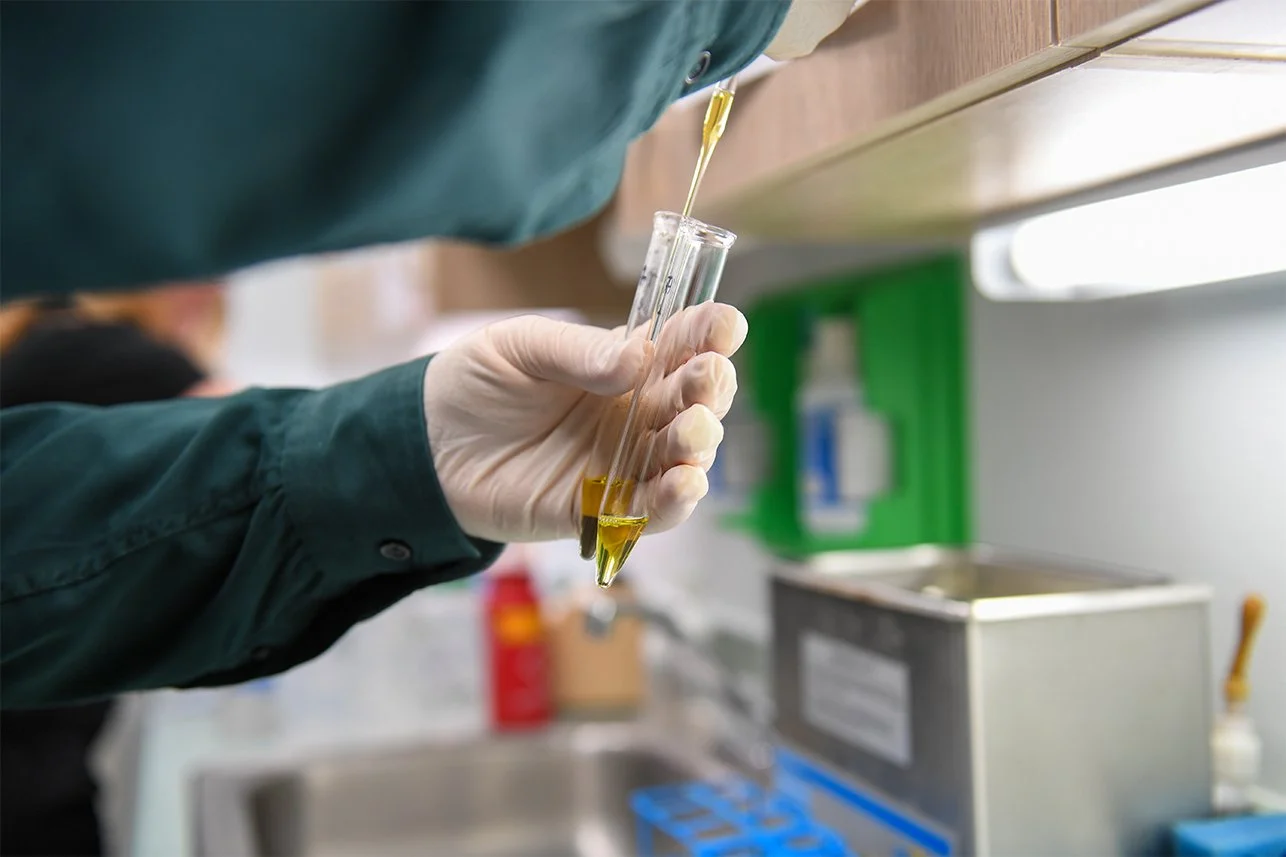
Evaluate human specimens through research collaborations or public health agencies to confirm environmental exposure.
Accepted matrices (by prior approval): urine, serum, bile, or tissue, and all human collections must follow appropriate IRB or clinical oversight. Human samples may be accepted from physicians, researchers, or agencies under written acknowledgment that testing is performed on a non-diagnostic, research-only basis.
Collection and Submission:
PLEASE NOTE: Prior to shipping, please contact GreenWater Laboratories to coordinate analytical methods, chain of custody, and sample handling requirements. Email: info@greenwaterlab.com; Phone: 386.328.0882.
GreenWater Laboratories is not CLIA-certified and does not perform diagnostic testing. Analysis of human specimens is conducted for research or investigational purposes only and is not intended for health assessment, diagnosis, prevention, or treatment.
FAQs
-
One 250 mL collection per location/timepoint is typically sufficient. Keep cold; do not freeze water unless instructed.
-
Yes. Please seal containers tightly and double-bag to prevent cross-contamination. Separate bags for source vs. clinical specimens.
-
Yes. Please email info@greenwaterlab.com with tracking and requested STAT.