

Spirulina, AFA and the Toxins Hiding in Algae Supplements
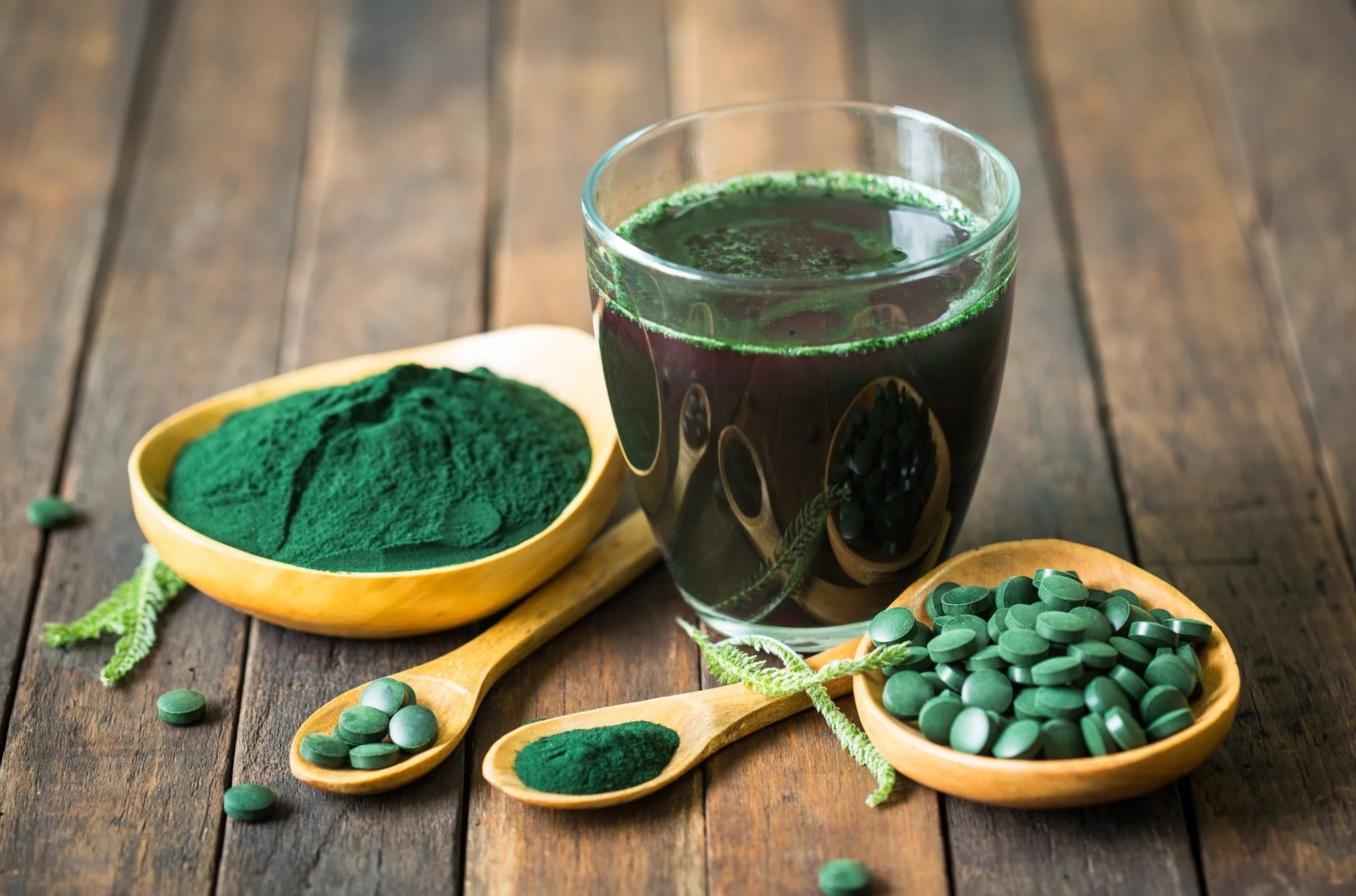
Spirulina and other "blue-green algae" supplements are made from cyanobacteria. These tiny microbes are natural chemists, constantly building biomolecules such as proteins, vitamins and pigments. That's what makes them nutritious, and it's why cyanobacteria are now marketed as "superfood" supplements that are taken as pills, stirred into smoothies or added to other foods.
But in addition to biomolecules, cyanobacteria can also build toxins, which is why health officials warn people to stay away from algal blooms in lakes and rivers. So how can we be told to avoid blue-green algae in our lakes while also using it in our kitchens?
The answer is that not all cyanobacteria are the same. The species used in supplements are generally considered non-toxic. The risk comes from contamination. When toxin-producing species grow alongside them, toxins such as microcystins, the liver toxins behind many bloom advisories, can end up in the products people take every day.
The nutritional case
Cyanobacteria used in supplements do have real nutritional value, providing protein, copper, iron, antioxidants and B vitamins. Spirulina, the most widely studied, has a strong safety record: regulators generally consider it safe, and research using typical intakes of 1 to 10 grams a day hasn't found widespread problems.
Two very different products
Cyanobacteria grow naturally in lakes, rivers, oceans and soils around the world, and there are thousands of species. Only a small number are toxic, and even fewer are used as food. On a supplement label, "blue-green algae" usually means one of two organisms:
Spirulina (Arthrospira, with some strains now classified as Limnospira) is mostly farmed in managed ponds or closed systems.
AFA (Aphanizomenon flos-aquae) is wild-harvested from Upper Klamath Lake in Oregon.
The difference matters. The FDA notes that toxin-producing cyanobacteria such as Microcystis can grow in the same lake as AFA, so AFA harvested without microcystin testing could be contaminated. A harvester skimming a wild lake can't separate the useful species from the toxic one.
The evidence of contamination
This problem has been documented for decades. In 1996, a large Microcystis bloom on Upper Klamath Lake led Oregon to set a limit of 1 µg/g for microcystins in blue-green algae products. When the state tested products, it found microcystins in 85 of 87 samples, and 72% were over the limit.
The problem hasn't gone away. In a 2020 study that included FDA scientists, about 22% of algae supplements tested exceeded the safe limit for microcystins. The three worst products were at 7.6, 35 and 40 times that limit. Two brands pulled more than 70,000 bottles from shelves in over 40 countries while the study was underway.
Spirulina isn't automatically in the clear either. A survey of 31 spirulina products sold in Greece found microcystins in every one, and two also contained cylindrospermopsins. Results vary by source. An Italian survey found spirulina-only products free of contamination. AFA-based products in the same survey contained microcystins at up to 5.2 µg per gram, and levels varied as much as 50-fold between batches of the same brand. A clean bottle last month doesn't guarantee a clean bottle this month.
The Wild West of supplement safety
Under the Dietary Supplement Health and Education Act (DSHEA) of 1994, supplements don't need FDA approval before they're sold. Manufacturers are responsible for their own products' safety. The FDA says it assesses microcystin risk case by case and tests products when it suspects contamination. In practice, the agency often learns about a problem only after a product is already on shelves.
A tragedy that never got its day in court
A case from Klamath Falls shows how hard it is to hold anyone accountable. Melissa Blake, a receptionist at the AFA company Cell Tech International, died of severe liver and kidney failure in April 2003. She was 34 and left behind a young son. Her family sued, alleging that her autopsy showed damage consistent with microcystin exposure and that Cell Tech products found in her home contained high levels of the toxin.
The case turned on the science of proving exposure. The family's only expert relied on immunohistochemical staining of her liver and kidney tissue, and the court excluded his testimony as scientifically unreliable. According to the court's opinion, the key witness against that testimony was Dr. Wayne Carmichael, a leading microcystin authority who had worked for the company since 1995. He testified that his own mass spectrometry tests on her tissue found no microcystins. The court dismissed the suit in 2007, and the Oregon Court of Appeals upheld the dismissal.
We can't say what caused Melissa Blake's death. But the case shows how heavily the burden of proof falls on consumers. That proof depends on toxin testing, and the experts doing the testing may work for the manufacturer.
Why this matters in 2026
Spirulina is no longer just a health-store product. The federal push to remove petroleum-based dyes has made it a leading replacement for Blue No. 1. On February 6, 2026, the FDA issued a final order expanding the approved uses of spirulina extract as a food color. On March 20, it extended the order's effective date while it evaluates objections. If the order takes effect, it will allow spirulina extract in human foods generally and tighten the limits for lead, arsenic and mercury. Blue candy, frosting and sports drinks may soon get their color from cyanobacteria.
Toxins aren't the only contaminant. When 37 best-selling spirulina and greens powders were tested, more than a third of the spirulina products exceeded California's Prop 65 limits for lead, including 6 of 14 organic spirulina products. A spirulina producer ran that testing, but Eurofins, an independent ISO-certified lab, retested the failing brands.
Testing matters, and so does the method
Microcystins are hard to measure. There are more than 250 variants, and each testing method has blind spots. Screening tests like ELISA can overestimate or react to other compounds. Mass spectrometry is precise but finds only the variants it's set up to look for. That's why the 2020 study combined three methods: a protein phosphatase inhibition assay, ELISA and LC-MS/MS. Reliable safety data comes from using more than one method.
At GreenWater Laboratories, we test algal supplements and other foods for microcystins, cylindrospermopsin, anatoxin-a, saxitoxin and other cyanotoxins. We confirm positive screening results with mass spectrometry. Whether you're a manufacturer checking a batch or a consumer with questions about a product on your shelf, testing is simple: we need only 2 to 10 grams of product, and dry powders and capsules can ship by ground. Our Food and Supplement Sampling Guide walks you through packing and shipping. Contact us before you send a sample at info@greenwaterlab.com or (386) 328-0882, and we'll help you choose the right analysis.
What consumers can do
Know which product you're buying. Farmed spirulina and wild-harvested AFA carry different risks.
Ask for a certificate of analysis (COA) for your specific lot, with microcystins listed by name. "Third-party tested" on the label isn't enough. If a company can't provide one, independent testing is an option.
Be extra cautious with children, anyone pregnant or nursing, and anyone with liver disease.
Stop taking the product if you feel unwell. Nausea, stomach upset, malaise or jaundice can signal a problem. Contact Poison Control (1-800-222-1222) and your doctor, then report the product through the FDA Safety Reporting Portal. The FDA doesn't test supplements before they're sold, so reports like yours are often how it learns about contaminated products.
Blue-green algae can be a legitimate food. But the toxins behind bloom advisories don't become harmless because they come in a capsule. Until testing is required, ask for proof that it's been done.